


Mediation Burnout: How Practitioners Can Protect Their Own Mental Health
Burnout isn’t just for first responders and nurses – legal practitioners and family justice mediation practitioners face it too. In fact, mediators working in family mediation, conflict mediation, divorce mediation, or even specialized Rule 41A mediation often handle emotional, high-stakes cases day after day. Over time this constant stress can lead to mediation burnout: a form of exhaustion that erodes empathy, decision-making, and overall well-being. This blog explains burnout in the mediation context, reviews what research and experts say, shares practitioner insights, and offers practical self-care strategies for staying healthy on the job.

What is mediation burnout?
Mediation burnout is a state of chronic physical, emotional, and mental exhaustion that comes from prolonged exposure to high-conflict or emotionally intense disputes. In other words, constantly absorbing distress and anger can gradually wear down a mediator’s energy. Experts define burnout broadly as “a state of physical, emotional, and mental exhaustion caused by long term involvement in emotionally demanding situations.” For mediators, this might look like feeling persistently drained after long divorce mediation sessions, losing patience during multiple family mediation cases back-to-back, or feeling detached even as participants vent their frustration.
Signs of mediator burnout often include chronic fatigue, irritability, loss of empathy, trouble concentrating, or feeling ineffective. Research confirms that mediators are particularly vulnerable: they must stay neutral and composed in heated situations, regulate intense emotions, and still empower parties to decide – all at once. Burned-out mediators may find themselves making narrow decisions, struggling to manage emotions, or even doubting the value of mediation. In short, burnout not only threatens mediator well-being but also the very quality of the process.
Why are mediators at risk of burnout?
Mediation work can be incredibly rewarding, but it often comes with built-in stressors. Conflict mediation and family mediation practitioners routinely handle parties in crisis – divorce, custody battles, or neighborhood disputes – where emotions run high. Researchers note the main causes of mediator stress include the high emotional stakes of cases, pressure to achieve settlements, and sometimes adversarial parties or counsel. In family or divorce mediation, mediators might repeatedly encounter stories of trauma, abuse, or grief, which can create vicarious trauma or compassion fatigue. Rule 41A mediations (court-ordered sessions) can add another layer of pressure, since mediators often manage heavy caseloads on tight schedules. Without downtime, back-to-back case loads can leave little opportunity to recover between sessions.
Other factors also pile on stress: solitary casework (which can feel isolating), unclear definitions of “success,” and the unpredictability of outcomes. One conflict-resolution expert explains that mediators must remain anchors of calm in turbulent meetings, which requires immense mental energy. Over time, even the most skilled mediator can reach a breaking point. Burnout in this context can build up quietly: a few long days here, one heated session there, and suddenly a practitioner might notice they’re feeling more irritable or detached than before.
How does burnout impact mediators and mediation?
The effects of burnout can ripple through a mediator’s work and life. Practitioners who are exhausted or stressed may unintentionally lose objectivity or patience. Research warns that burned-out mediators often exhibit “narrow and uncreative thinking,” difficulty regulating emotions, compromised decision-making, and lapses in attention or memory. In practical terms, this might mean missing a critical listening cue, pushing parties toward a quick settlement, or showing subtle signs of frustration. Parties in mediation are sensitive: they can often sense if the mediator is distracted or overwhelmed, which undermines trust in the process.
Burnout can also have personal health consequences: insomnia, anxiety, or even physical symptoms like headaches are common in any profession facing chronic stress. In the legal mediation context, burnout is a concern not only for individual well-being but for professional ethics. A mediator who is too exhausted may inadvertently breach neutrality or fail to handle conflict effectively. Overall, unchecked burnout can reduce the quality of mediation outcomes and satisfaction for all involved.
How can practitioners protect their mental health?
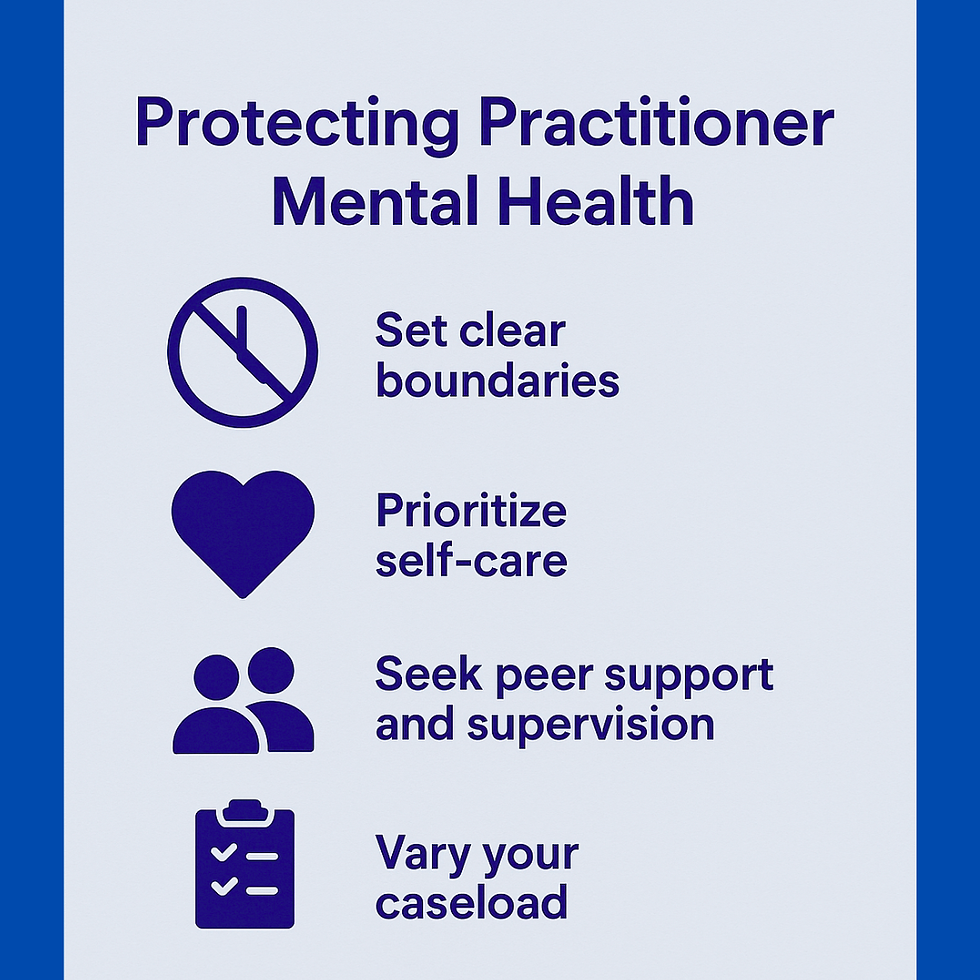
Although the pressures are real, there are many ways mediators and lawyers can safeguard their own well-being. Here are practical strategies shared by experts and experienced mediators:
Set clear boundaries. Limit the number of daily mediation sessions, especially if they’re heavy emotional cases. Give yourself a short rest or transition period after each session – even a brief walk or a quiet coffee break can help reset your energy. Schedule personal time that is truly non-work (no case prep or calls), so you maintain a healthy work-life balance.
Prioritize self-care. Regular exercise, good sleep, and a healthy diet all boost resilience. Consider mindfulness practices such as meditation or deep breathing exercises before or after mediations to clear your mind. Even short relaxation techniques (5–10 minutes) can reduce stress levels. If a difficult session lingers in your thoughts, journaling or simply talking it over with a friend can prevent emotions from accumulating.
Seek peer support and supervision. Don’t go it alone. Debriefing with a colleague or mentor after tough cases can provide perspective and prevent isolation. Many mediators schedule periodic supervision or peer-group meetings specifically to share challenges. Hearing others say “I’ve felt that way too” can normalize the stress and reveal new coping ideas.
Vary your caseload. Try to mix emotionally heavy cases with lighter or different types of matters. For example, follow an intense divorce mediation with a brief, straightforward commercial agreement session if possible. This rotation prevents compassion fatigue from setting in due to repetitive exposure to trauma.
Continuous learning and resources. Attend trainings on vicarious trauma, self-care, or new mediation techniques. These not only improve skills but also remind you why you chose this work. Familiarize yourself with mental health resources (counseling, support lines) so you know where to turn if stress becomes overwhelming.
What does research say about mediator burnout?
Research and expert writings confirm that mediator burnout is a real concern. A law professor specializing in mediation reports that mediators “not only are susceptible to burnout, but [that] the symptoms of burnout undermine fundamental principles of quality mediation.” Read more in the Ohio State Journal on Dispute Resolution. In other words, when mediators burn out, everyone loses. Studies of lawyers similarly show chronic stress is common: one survey of French attorneys found that practicing law (with heavy workload and low control) often leads to high levels of burnout.
Conflict resolution experts emphasize self-care as crucial. The Center for Understanding in Conflict explains that mediators absorb others’ intense emotions and must stay neutral, which can be “mentally and emotionally exhausting.” See their self-care advice. Their advice? Prioritize self-care strategies: set work-life boundaries, engage in mindfulness or exercise, and seek peer support. In fact, they note that connecting regularly with fellow practitioners creates a “sense of community and shared purpose” that helps alleviate isolation.
Beyond mediation-specific research, data on helping professions reinforce the point. The American Psychological Association estimates that 21–61% of mental health providers experience significant burnout. While mediators aren’t therapists, they similarly carry emotional loads. Mental health research shows that burnout involves emotional exhaustion, depersonalization, and reduced efficacy – signs that apply to mediators too.
What do experienced mediators say about burnout?
Seasoned mediators and trainers often sound a similar note: take care of yourself. One mediation blogger points out that even perfectly agreeable job conditions can’t prevent burnout if you’re ignoring your fulfillment or stress levels. Learn more from Mediate.com. Practitioners stress that recognizing the warning signs (feeling detached in sessions, irritability, fatigue) is key. In their view, self-care isn’t optional — it’s part of the job.
For example, mediator-authors Jonathan Rodrigues and Lydia Ray warn that today’s fast-paced world blurs work-life boundaries, so burnout can “rise without us noticing.” They echo Pines & Aronson’s definition and encourage mediators to regularly check in on their own well-being. Another professional suggests scheduling time to “journal or vent” about hard cases, and to practice gratitude (noting small successes) as daily habits.
In short, the wisdom from the field is consistent: check your stress early, talk with peers, and don’t hesitate to seek help. Mediators benefit from remembering that they, too, deserve a supportive “network” – whether an official peer group, supervision, or informal colleague circle – to sustain them. Hearing other mediators say “I’ve been there” can be as comforting as any formal training, and encourages sharing concrete tips.
Sustaining Your Well-Being in Practice
No mediator can pour from an empty cup. Recognizing burnout and taking preventive action is crucial – not just for your own sake, but to ensure you remain the calm, focused professional parties need. Legal practitioners and mediation professionals, whether in divorce, family, Rule 41A, or conflict mediation, should treat self-care as a skill as important as any legal technique. This means building a routine of healthy habits, seeking support early, and adjusting workloads when needed.
Burnout is a signal to change your strategy, not a sign of weakness. If you notice its warning signs, pause and apply the tools outlined here. Prioritizing your mental health allows you to maintain clarity, empathy, and effectiveness. After all, the goal of mediation is harmony – including harmony in your own professional life.
Mediators should remember that when they do not feel comfortable with a case, they are under no obligation to accept it.
Ready to strengthen your resilience as a mediator?
Learn practical tools and stress management strategies through accredited professional development with Mediation Academy SA.
Frequently Asked Questions (FAQ)
What is mediation burnout?
Mediation burnout occurs when a mediator experiences chronic stress or exhaustion from handling emotionally intense or high-conflict cases over long periods.
How can legal practitioners recognise burnout early?
Common signs include fatigue, irritability, loss of focus, and detachment from clients. Regular self-checks and peer discussions can help catch these signs early.
Is burnout common among family justice mediation practitioners?
Yes, family and divorce mediators are especially at risk due to the emotional nature of their work and continuous exposure to personal conflict.
What can help prevent burnout in conflict mediation and divorce mediation?
Maintaining work boundaries, engaging in mindfulness, exercising, and attending peer supervision sessions are effective preventative measures.
Are there South African-specific supports for mediators?
Yes. Training programmes like those at Mediation Academy SA provide tools and support for sustainable mediation practice.
References
Nickum, M. & Desrumaux, P. (2022). Burnout among lawyers: effects of workload, latitude and mediation via engagement and over-engagement. Psychiatry, Psychology and Law, 30(3), 349–361.
Nussbaum, L. (2018). Mediator Burnout. Ohio State Journal on Dispute Resolution, 34, 36–74.
Dykeman, J. (2024). The Crucial Role of Self-Care: Mitigating Stress and Burnout for Conflict Resolution Practitioners. Center for Understanding in Conflict blog.
Rodrigues, J. & Ray, L. (2021). Battling Burnout: Mental Health and Self-Care in Mediation.
Mediate.com. (2022). Burnout and Self-Care. NEI Guild, July 24. (citing APA data on healthcare burnout.)
Date published: November 12, 2025
Publisher: Mediation Academy SA
© 2025 Mediation Academy SA
Comments